Ceramic Plate Factory | Crafting Quality Tableware For Everyday Use

Ceramic Flower Pots Factory: Crafting For Home & Garden
November 10, 2025A Ceramic Plate Factory is a specialized manufacturing facility dedicated to producing high-quality ceramic tableware. These factories combine traditional craftsmanship with modern production techniques to create plates that are both functional and visually appealing. Ceramic plates produced in these factories serve households, restaurants, hotels, and catering services around the world.
Manufacturing Process of Ceramic Plates
The production of ceramic plates begins with selecting raw materials such as clay, kaolin, and feldspar. These materials are carefully blended to create a consistent ceramic body. The mixture is then shaped into plates using molds or presses, followed by a drying process to remove excess moisture. After drying, the plates undergo firing at high temperatures to achieve strength and durability. Glazing and decoration are applied either before or after the firing process, depending on the design requirements.
Materials and Quality Standards
Ceramic plate factories focus on using high-quality raw materials to ensure durability, smooth surfaces, and resistance to chipping. Factories adhere to strict quality standards during production, monitoring every stage from raw material preparation to final inspection. Consistency in thickness, shape, and glaze finish is essential for both aesthetic appeal and practical use in daily dining.
Design and Customization
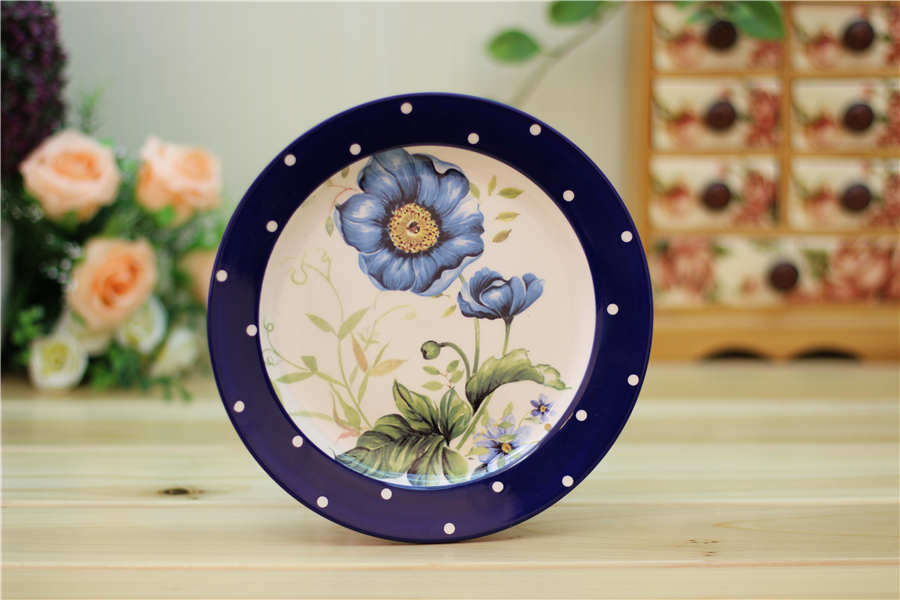
Ceramic plate factories often offer a wide range of designs, from classic to contemporary styles. Plates can be plain, patterned, or decorated with intricate artwork. Customization options allow clients to request specific sizes, colors, and designs to match their brand or personal preferences. This flexibility makes ceramic plates suitable for a variety of settings, including formal dining, casual meals, and special occasions.
Applications in the Hospitality Industry
The hospitality industry is a major consumer of ceramic plates. Restaurants, hotels, and catering services rely on these plates for their durability, elegance, and ability to present food attractively. Factories produce plates that can withstand frequent use, washing, and stacking, ensuring long-term usability in high-traffic environments. Additionally, ceramic plates offer heat resistance, which helps maintain food temperature during service.
Innovations in Production Technology
Modern ceramic plate factories integrate advanced production technology to improve efficiency and quality. Automated shaping, glazing, and decoration equipment allow for faster production while maintaining precise control over design details. Innovations in kiln technology also help reduce energy consumption and improve firing consistency, resulting in plates that meet both functional and aesthetic standards.
Conclusion
A ceramic plate factory plays a vital role in creating durable, attractive, and functional tableware. Through careful material selection, skilled craftsmanship, and modern production techniques, these factories deliver plates that meet the needs of households and businesses alike. The combination of quality, design versatility, and efficiency ensures that ceramic plates remain a staple in everyday dining and hospitality applications.
Blue Poppy ceramic flower pots factory